If you’re searching for UPVC Windows in Peterborough, you’re probably in one of three situations; your single-glazed or first-generation double-glazed units are starting to fail. Or maybe you’re renovating a 1970s or 1980s home in Bretton, Orton or Werrington and the original windows have reached end of life. Or you’ve moved into an older PE1, PE2 or PE7 property and the existing frames are draughty, decaying, or simply too inefficient for current energy prices.
We fit replacement uPVC windows across all of those scenarios. Aperture Window Group is an Assure-registered installer based in Stamford, about a twenty-minute drive up the A1, and Peterborough has been part of our installation patch since the company started. The work is carried out by our own teams, not subcontracted, and every installation is self-certified to current Building Regulations under the Assure scheme.
The page below covers what uPVC windows are, what U-value and BFRC rating you should be aiming for under the 2022 Building Regulations, what they cost in real money, what they save in real money against today’s Ofgem cap, and the planning question that catches more Peterborough homeowners out than any other: whether your street is covered by an Article 4 Direction.
If you’d rather skip the reading, book a callback or call 01780 669668 and we’ll send a surveyor.
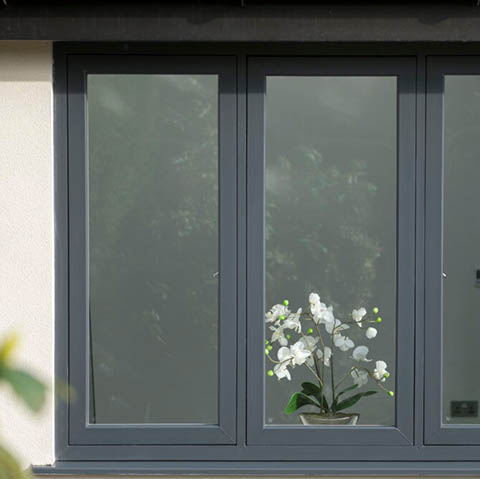
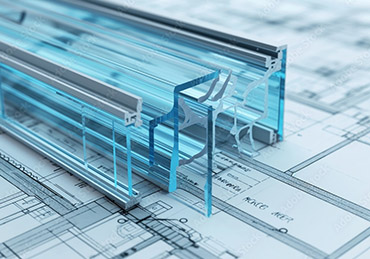
uPVC stands for unplasticised polyvinyl chloride; a rigid, dimensionally stable plastic that’s been the dominant UK window-frame material since the late 1980s. Unlike the soft PVC used in flexible products, uPVC contains no plasticisers, which is why it doesn’t sag, soften in summer heat, or become brittle in cold winters. The frames are extruded as hollow chambers, typically five or six chambers in a modern profile, which is what gives them their thermal performance. The chambers trap still air, and still air is one of the cheapest insulators there is.
Three properties make uPVC the default choice for the majority of UK replacement windows:
There’s no shortage of companies fitting uPVC windows in Peterborough. The big national chains (Safestyle, Everest, Anglian) all have local presence, and there are plenty of independents inside the PE postcode. Three things separate us from the alternatives.
We’re local but not in your back garden. Stamford is fourteen miles from Peterborough city centre via the A1 and A47. That distance matters: it means we know the area well enough to recognise a 1970s timber-frame Bretton semi or a PE1 Edwardian terrace from the street, but we’re not so dependent on Peterborough alone that a slow week causes us to over-promise on dates. Our service area covers Stamford, Bourne, Peterborough, Rutland and Corby.
We’re Assure-registered, which is the boring detail that protects you. Assure is one of three UKAS-accredited Competent Person Schemes for window installers in England and Wales (alongside FENSA and Certass). Every installation we self-certify is automatically notified to your local building control — you don’t need to do anything, and you receive a certificate confirming compliance. Pick an installer who isn’t in one of these three schemes and the legal compliance burden is yours, not theirs.
We don’t quote on price alone. A uPVC window costs anywhere from £400 to £1,500+ installed in 2025. The variation isn’t random — it tracks frame profile depth, glass specification (4-16-4, low-E, argon, krypton), security spec (PAS 24:2022 vs base spec), opening configuration, and access on the day. We survey every job in person, give you a fixed quote against a written specification, and don’t move the price.
With over 20 years of experience and Assure accreditation, you can be certain the installation will meet current Building Regulations and that your installer is what they say they are.
Upgrading to uPVC windows in Peterborough is one of the simplest ways to improve your home. They’re designed to be energy efficient, low maintenance, and built to last. Unlike traditional timber or older frames, uPVC offers a modern solution that saves money and makes your home more comfortable.
Benefits:
Most Peterborough homeowners can replace their windows without any planning consent at all, replacement is normally classed as permitted development and the Assure-certified installer notifies building control on your behalf. There are two situations where that isn’t the case, and they affect more Peterborough homes than people expect.
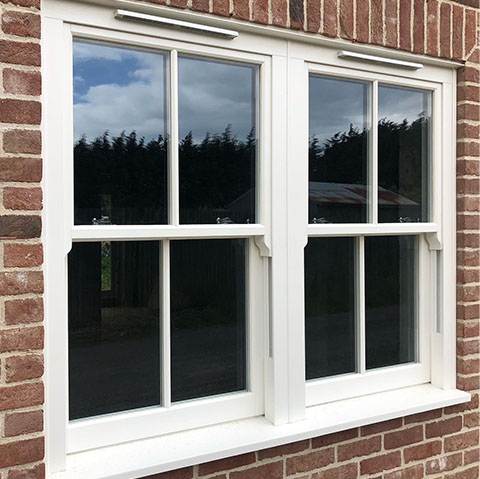
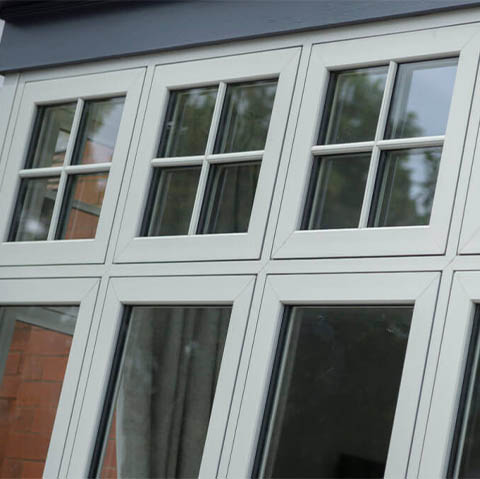
Conservation areas. Peterborough has several designated conservation areas, including the city centre conservation area (covering the Cathedral, Cathedral Square, St John’s Square and the Cathedral Precincts), the Great Northern Railway Cottages conservation area about three miles north of the centre, the Thorney conservation area (designated March 1974) and the Thornhaugh conservation area (designated September 1979). In a conservation area, work must “preserve or enhance” the character of the area. uPVC is not automatically refused; but it usually means flush-casement uPVC profiles that visually match traditional timber, in heritage colours, with slim sightlines.
Article 4 Directions. This is the one that catches people out. The council currently has 56 Article 4 Directions in force, covering 334 individual residential properties across the city. An Article 4 Direction removes permitted development rights for certain works (typically replacement windows, doors and porches) meaning you must apply for full planning permission before work begins. If you’re not sure whether your address is covered, the Council’s interactive planning map shows it, or you can ask us; we check before quoting on any property in the affected zones.
If you live in a listed building, replacement uPVC is rarely consented. The usual alternative is secondary glazing (a separate slim pane fitted inside the existing window), which dramatically reduces heat loss without altering the listed fabric.
Ben Couch
Managing Director